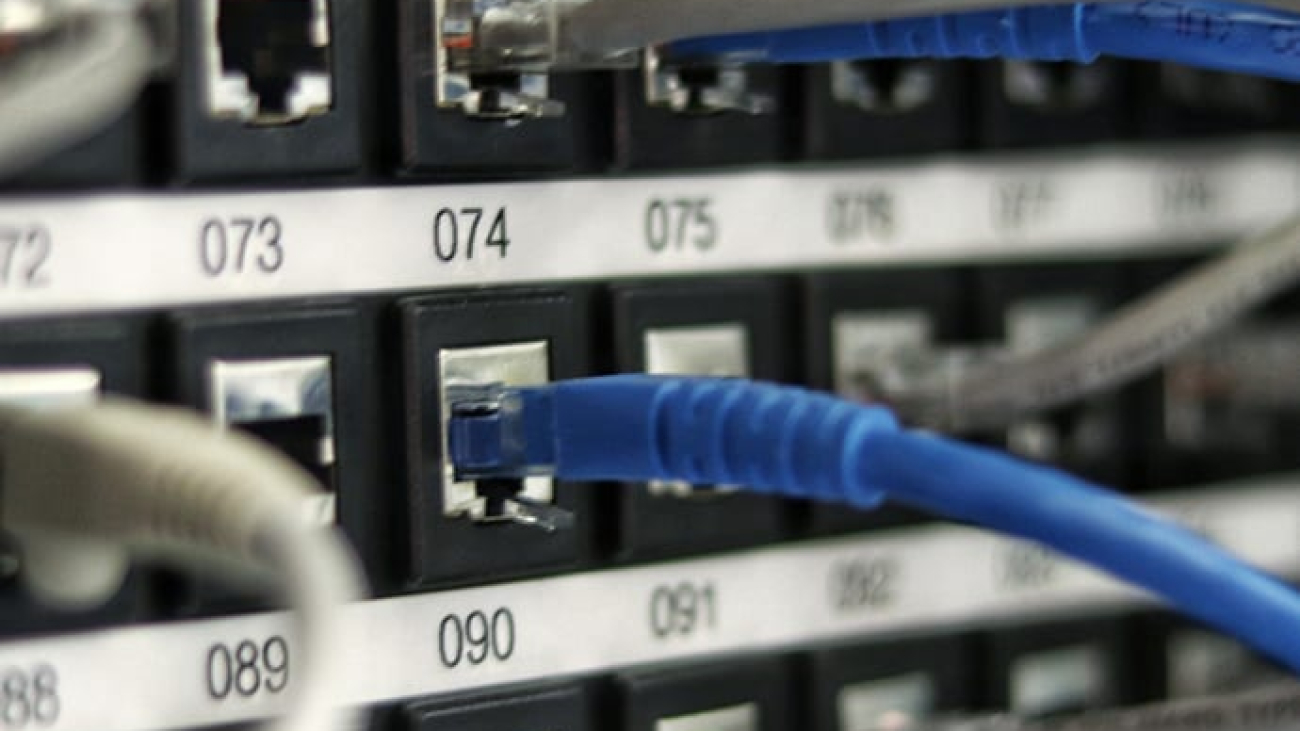
pexels-picjumbo-com-55570-196655

Can CDNs Be More Than Content Delivery? Absolutely.

CDNs aren’t just for streaming videos or speeding up websites — they’re a blueprint for enterprise network resiliency.

Here’s why:
✅ Failover & Load Balancing → If one server fails, traffic instantly reroutes.
✅ Geographic Distribution → Data served closer to the user = faster, more reliable performance.
✅ Resilience by Design → Redundancy ensures uptime, even during outages.

Enterprises can mirror CDN principles to strengthen their own networks by:

Distributing servers & storage across locations.

Automating rerouting & failover.

Leveraging SD-WAN for dynamic traffic management.

Downtime costs businesses anywhere from $10K to $1M per outage (Cockroach Labs, 2024). The lesson? Whether you’re a startup or a Fortune 500, resiliency isn’t optional.

At TXNet Innovations, we help organizations design networks that don’t just deliver — they endure.

hashtagNetworking hashtagResilience hashtagCDN hashtagEdgeComputing hashtagTXNetInnovations

GettyImages-942583674-671175c03466468ba734c9f062321334

8 Networking Trends That Will Shape 2025 (and Beyond)

8 Networking Trends That Will Shape 2025 (and Beyond)

The pace of networking innovation is accelerating—and 2025 is set to be a game-changer. From AI to quantum networking, here are the 8 trends every business should be watching:
1️⃣ Network-as-a-Service (NaaS) → Flexible, on-demand connectivity.
2️⃣ SDN + NFV → Virtualized, agile, and centrally managed networks.
3️⃣ Automation → AI-driven tools cutting downtime & human error.
4️⃣ AI in Networking → Smarter, self-healing, predictive networks.
5️⃣ Edge Computing → Low-latency power for IoT & real-time apps.
6️⃣ Zero Trust Security → Every user, every device, verified—always.
7️⃣ Quantum Networking → Early adoption for ultra-secure comms.
8️⃣ IoT-Ready Infrastructure → Smarter scaling to handle device explosion.

💡 The Bottom Line: Legacy networks can’t keep up. Enterprises need flexible, automated, and intelligent infrastructure to stay competitive in the AI-driven, cloud-first world.

At TXNet Innovations, we’re here to help businesses modernize networks built for the future. 🚀

Networking AI Edge ZeroTrust Quantum IoT TXNetInnovations

jordan-harrison-40XgDxBfYXM-unsplash (1)

The Impact of AI on The Ethernet Switch Market

As enterprises rush to support AI workloads, networking infrastructure is under pressure. The big question: Ethernet or InfiniBand?

🔹 Ethernet Today

Still the dominant choice for most networks.

Advancing quickly with 100/200/400GbE to support AI + cloud.

Industry groups (like the Ultra Ethernet Consortium) are optimizing Ethernet for AI & HPC.

Cost-effective, scalable, and widely supported.

🔹 InfiniBand’s Edge

Lower latency, higher bandwidth, and better for HPC & specialized AI.

Strong in supercomputing & GPU-heavy environments.

📊 Market Outlook

IDC reports huge growth in high-speed Ethernet switches (200/400GbE up 68.9%).

Expect coexistence: Ethernet will remain dominant, while InfiniBand serves niche AI/HPC needs.

💡 TXNet Innovations View:
Ethernet isn’t going anywhere. It’s evolving, faster and smarter, to keep pace with AI-driven demand. For most enterprises, upgrading Ethernet infrastructure will deliver the right mix of performance, cost efficiency, and future-proofing.

AI Networking Ethernet InfiniBand DataCenters TXNetInnovations

 
compress-aime_generated_1756116851093.jpg

Big Moves in Networking: HPE + Juniper = AI-Native Future

Hewlett Packard Enterprise (HPE) has officially completed its acquisition of Juniper Networks—and this is more than just a merger. By combining HPE’s hybrid cloud expertise with Juniper’s AI-native networking (Mist AIOps, 400GbE/800GbE routing), they are shaping the future of enterprise IT.

✅ What it means for the industry:

End-to-end AI-first ecosystem (from silicon to software).

Smarter, self-healing networks powered by automation.

Faster, more secure connectivity across edge, campus & data centers.

Stronger competition against giants like Cisco & Arista.

🌍 With the AI infrastructure market set to hit $3.68 trillion by 2034, this integration positions HPE as a true leader in AI-driven networking.

🔑 Why it matters: Enterprises now get a one-stop solution for AI workloads—low latency, high bandwidth, and built-in intelligence.

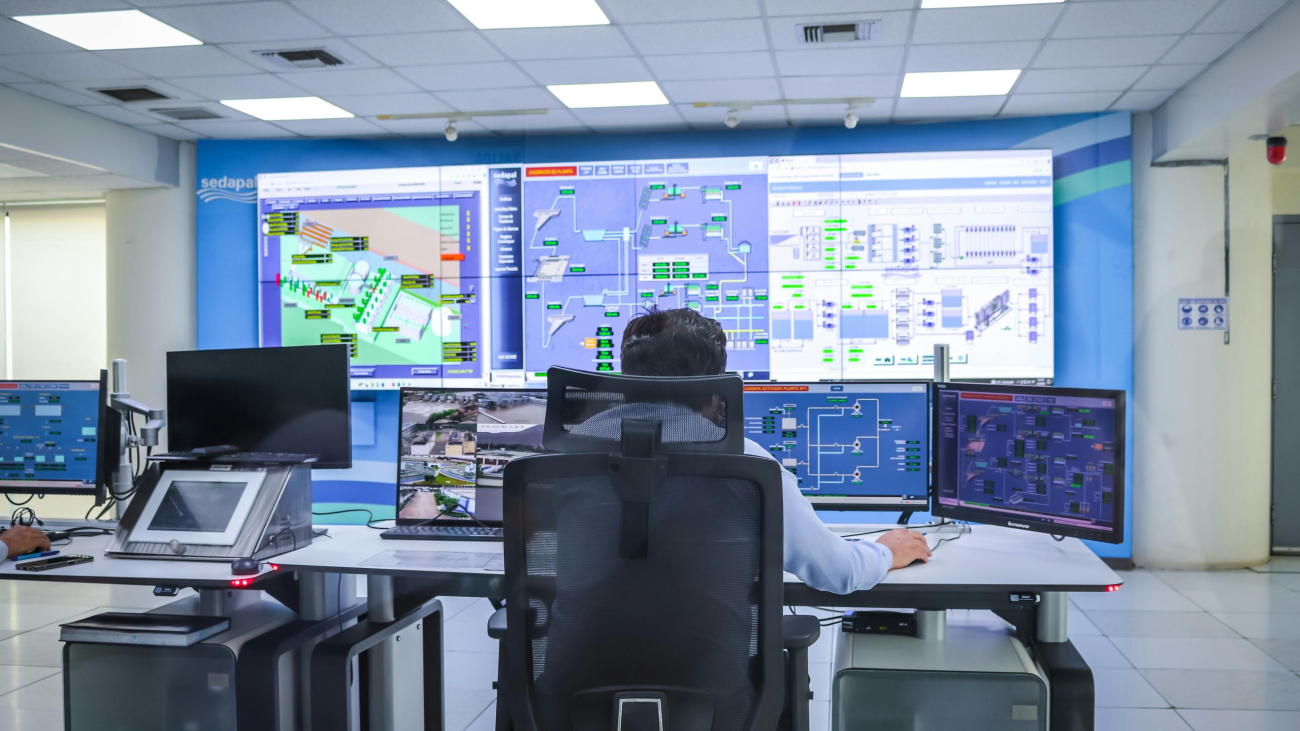
At TXNet Innovations, we see this as a clear signal: the future of networking is AI-native.

#Networking #AI #Cloud #HPE #Juniper #TXNetInnovations

pexels-pixabay-373543

Direct Internet Access (DIA) vs MPLS: What’s Best for the Future?

As cloud adoption accelerates, Direct Internet Access (DIA) is gaining momentum as a cost-effective, high-performance alternative to MPLS.

🔑 Why DIA is Growing:

75% of network traffic now flows through DIA.

Cheaper & faster for cloud + internet-heavy businesses.

Flexible with multiple ISPs & SLA-backed reliability.

🔒 Why MPLS Still Matters:

Strong privacy, control & QoS.

Preferred by regulated industries (finance, healthcare, government).

Ideal for sensitive internal systems.

📊 Market Shift:

DIA projected 12.2% CAGR through 2032.

MPLS lags behind with 6.3% CAGR.

💡 The Future? Many organizations will run hybrid models—combining DIA for cloud access + MPLS for critical private networks, often managed with SD-WAN for flexibility.

At TXNet Innovations, we believe the right choice depends on your business needs—whether it’s cloud-first agility with DIA, robust control with MPLS, or a smart mix of both. 🚀

Networking DIA MPLS Cloud SDWAN TXNetInnovations

pexels-fernando-narvaez-2150621466-32529341

Network Monitoring is Evolving: What’s Next?

At TXNet Innovations, we’ve seen how far network monitoring has come—and the future looks even more exciting. Here are 4 big trends shaping the next era of monitoring:

1️⃣ Automation + Data → Smarter insights, faster problem-solving, and self-healing networks.
2️⃣ Stronger Security → Zero-trust frameworks will make monitoring tools safer against cyber threats.
3️⃣ Open Source Power → Community-driven standards (like OpenTelemetry & gNMI) will define the future.
4️⃣ Real-Time Monitoring → Reduced latency for better visibility—even in remote, distributed environments.

Together, these advancements will make networks more reliable, efficient, and secure than ever before.
At TXNet Innovations, we’re committed to staying ahead—adopting the tools and practices that keep our clients’ networks running at peak performance.

#Networking #Monitoring #Automation #Security #OpenSource #TXNetInnovations